
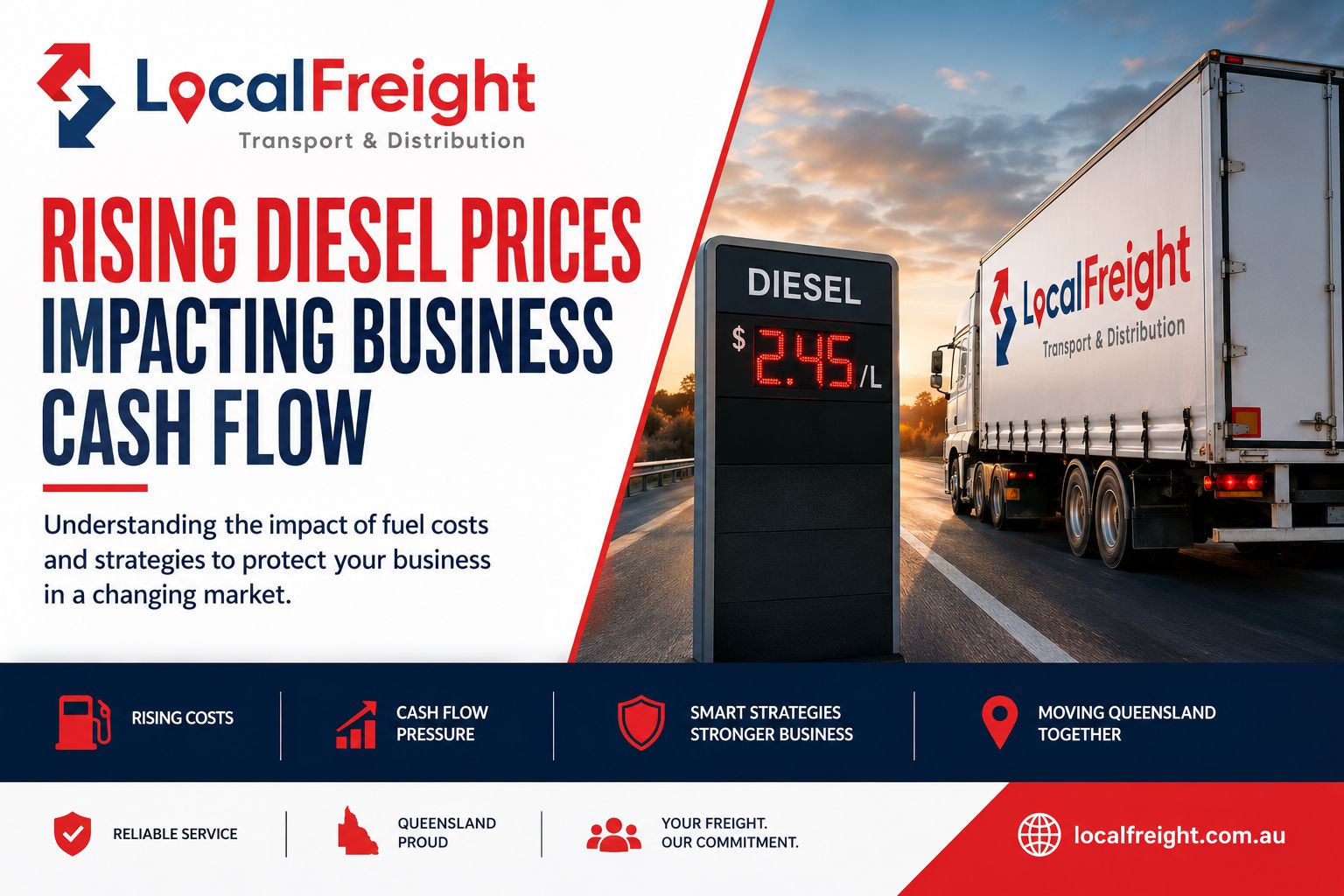

How Rising Diesel Prices Are Impacting Business Cash Flow Across Australia
Fuel costs have always been a major expense for Australian transport operators, but recent increases in diesel prices are placing additional pressure on businesses across the supply chain. From freight companies and logistics providers to manufacturers, wholesalers and retailers, higher diesel costs are affecting cash flow, operating margins and long-term planning.
For businesses that rely on road transport, understanding how diesel price fluctuations impact cash flow is becoming increasingly important.
Why Diesel Prices Matter
Diesel is the primary fuel used by Australia’s heavy vehicle fleet. Every increase at the bowser directly affects the cost of moving goods between suppliers, warehouses, distribution centres and customers.
Unlike some operating expenses that remain relatively stable, fuel prices can fluctuate significantly due to:
- Global oil market conditions
- Geopolitical events
- Supply chain disruptions
- Refinery outages
- Currency exchange rates
- Government taxes and regulations
These factors are largely outside the control of transport operators and freight customers, making fuel one of the most unpredictable business expenses.
The Direct Impact on Freight Operators
For many transport businesses, fuel represents one of the largest operating costs after wages.
When diesel prices rise, transport companies face higher costs across their entire fleet, including:
- Linehaul operations
- Local deliveries
- Interstate freight movements
- Pickup services
- Warehouse vehicle operations
A transport operator running multiple vehicles can see thousands of dollars added to weekly operating expenses during periods of sustained diesel price increases.
Unless these costs are recovered through freight rate adjustments or fuel levies, profitability can quickly erode.
Cash Flow Pressure Builds Quickly
One of the biggest challenges with rising diesel prices is the timing difference between expenses and revenue.
Many freight businesses:
- Pay for fuel immediately
- Pay drivers weekly or fortnightly
- Cover maintenance and operating costs upfront
- Invoice customers on 30-day or longer payment terms
This creates a cash flow gap where businesses must absorb higher operating costs before receiving payment from customers.
As diesel prices increase, working capital requirements also increase.
For growing transport businesses, this can create significant pressure on cash reserves and available credit facilities.
Fuel Levies Help, But They’re Not a Complete Solution
Many freight companies apply a fuel levy to help offset fluctuations in diesel prices.
Fuel levies are typically calculated based on average fuel prices and adjusted periodically.
While fuel levies provide some protection, challenges remain:
- Levies often lag behind market movements
- Rapid diesel price increases may not be immediately recovered
- Some customer contracts restrict levy adjustments
- Competitive pressures may limit pricing flexibility
As a result, transport providers can still experience short-term cash flow impacts even when fuel surcharge mechanisms are in place.
The Ripple Effect Across Supply Chains
Higher diesel costs do not only affect transport operators.
As freight costs increase, businesses throughout the supply chain may experience:
Higher Product Costs
Manufacturers and distributors face increased inbound and outbound freight expenses.
Reduced Margins
Businesses that cannot pass on increased freight costs may see margins shrink.
Increased Inventory Costs
Higher transport costs can influence ordering strategies and inventory management decisions.
Pressure on Customer Pricing
Many businesses eventually need to review pricing structures to maintain profitability.
The result is a flow-on effect that can impact virtually every sector of the economy.
Small Businesses Often Feel the Impact Most
Larger organisations may have:
- Long-term fuel purchasing agreements
- Larger cash reserves
- More sophisticated cost recovery mechanisms
Smaller businesses often have fewer options.
For small freight operators and owner-drivers, rising diesel prices can have an immediate impact on:
- Monthly cash flow
- Vehicle finance repayments
- Business profitability
- Growth plans
A prolonged period of high fuel prices can significantly reduce available working capital.
Strategies Businesses Are Using to Manage Rising Fuel Costs
While diesel prices cannot be controlled, businesses can take steps to reduce their exposure.
Route Optimisation
Using transport management systems and GPS technology can reduce unnecessary kilometres and improve fuel efficiency.
Fleet Efficiency Improvements
Modern vehicles often deliver better fuel economy through improved engine technology and aerodynamics.
Load Consolidation
Maximising vehicle utilisation helps spread fuel costs across more freight.
Fuel Monitoring
Tracking fuel consumption across vehicles can identify inefficiencies and driver behaviours that increase costs.
Reviewing Freight Contracts
Regularly reviewing customer agreements can help ensure fuel levies and pricing structures remain aligned with market conditions.
Cash Flow Planning
Businesses should regularly model fuel price scenarios and maintain sufficient working capital to absorb temporary cost increases.
Looking Ahead
Fuel markets are expected to remain volatile as global economic conditions, energy demand and geopolitical factors continue to influence oil prices.
Businesses that proactively monitor diesel costs and implement strategies to improve operational efficiency will be better positioned to manage future fluctuations.
The Bottom Line
Higher diesel prices affect far more than the cost of filling a fuel tank. They place pressure on transport operators’ cash flow, increase working capital requirements and create challenges throughout the supply chain.
For businesses that rely on freight and logistics, understanding the relationship between diesel prices and cash flow is critical. Proactive planning, efficient operations and effective cost recovery strategies can help minimise the impact of fuel price volatility and support long-term business stability.
At LocalFreight, we understand the challenges facing Queensland businesses in today’s transport environment. Through efficient freight solutions, transparent pricing and dependable transport services across Queensland, we help customers manage their logistics costs while keeping freight moving reliably.

.png)

.png)


